Crackle as Craft: The British Artists Turning Vinyl's Imperfections Into Live Performance Gold
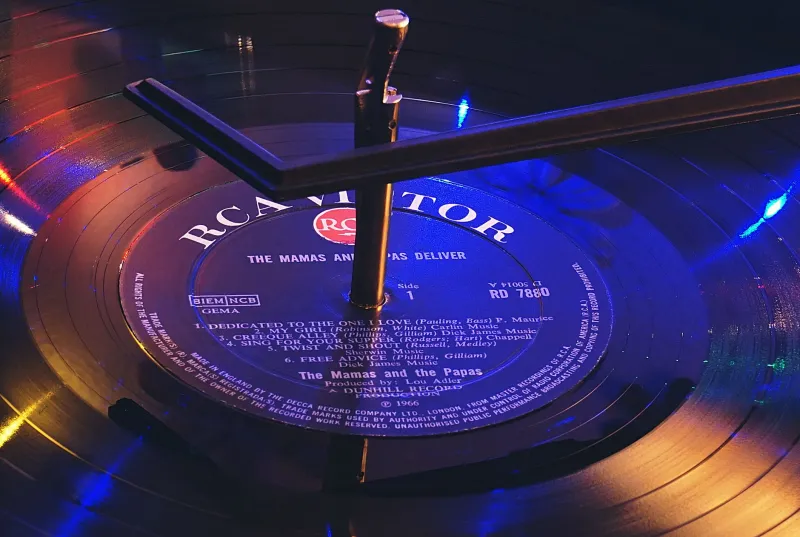
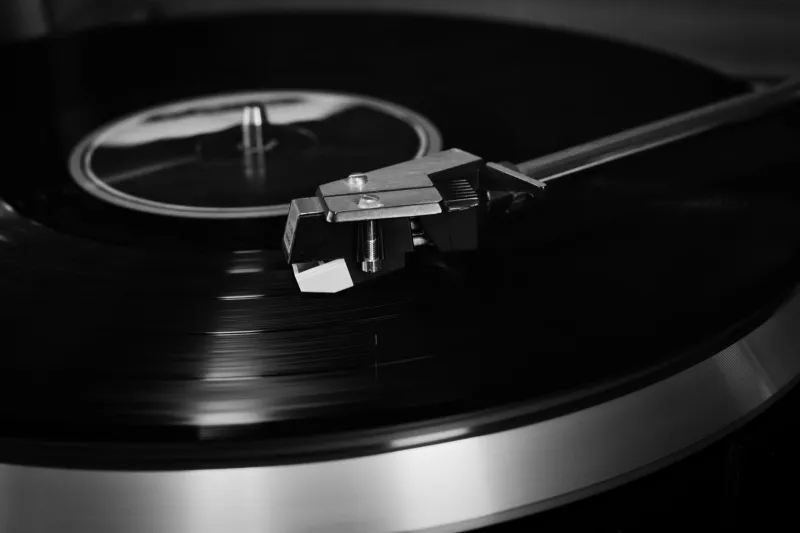
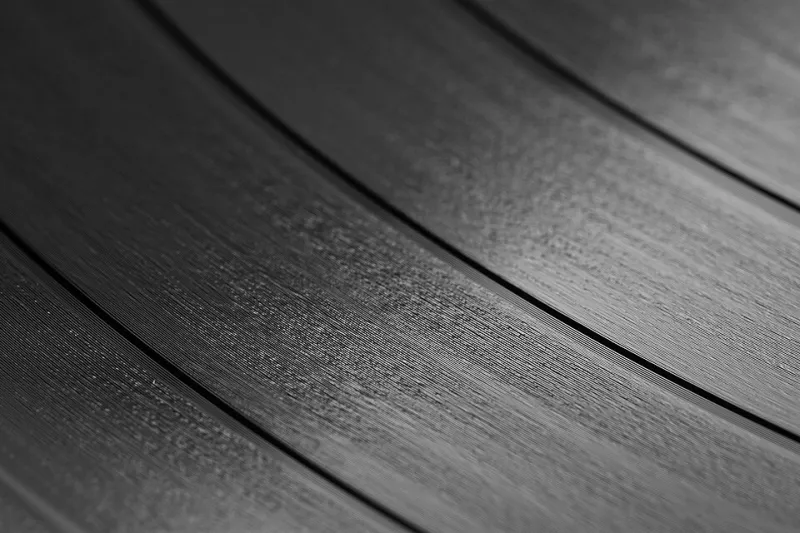
There's a moment — if you've ever been to the right kind of gig lately — where the music drops away and all you're left with is that familiar warmth. A gentle hiss. A distant pop. The soft, rhythmic breath of a needle tracing a groove. And then, rather than cutting to silence or a clean digital pad, the band builds from it. That crackle becomes the foundation. The imperfection becomes the point.
It's happening more than you'd think across Britain's live music scene, and it's not an accident.
Noise That Means Something
For decades, sound engineers worked tirelessly to eliminate vinyl's surface noise from live settings. The crackle was the enemy — something to be filtered, gated, or simply avoided by switching to CD or digital playback. But somewhere along the line, that instinct flipped. What was once considered interference is now being treated as texture, and texture, as any good producer will tell you, is where the feeling lives.
Manchester-based sound designer Theo Hartley has been at the forefront of this shift. Working with several post-punk and electronic acts across the North West, Hartley began experimenting around four years ago with routing vinyl playback directly into the live PA chain — deliberately leaving the signal unprocessed. "I stopped notching out the crackle," he says. "And suddenly the room felt different. Warmer. More alive. People couldn't always tell you why, but they felt it."
Hartley now treats surface noise as a sonic layer in its own right, sometimes isolating it from a record entirely — lifting just the crackle from a quiet passage — and feeding it beneath live instrumentation as a kind of analog undercoat. It's a technique borrowed, in spirit at least, from the world of hip-hop sampling, where the warmth of a dusty break has always been part of the appeal. The difference here is that it's happening in real time, in front of a live crowd.
Artists Who've Made It Their Signature
Birmingham electronic duo Pale Cartridge have taken this idea furthest in their live performances. Their sets routinely incorporate vinyl playback from their own back catalogue — not as a DJ element, but as a textural counterpoint to what they're generating live on synthesisers and drum machines. They'll trigger a loop from a pressed record mid-song, letting the surface noise bleed into the mix, and then gradually swell the live elements around it until the two become indistinguishable.
"There's a dishonesty in making everything perfect," says one half of the duo, speaking after a recent show at Birmingham's Hare & Hounds. "People know what a record sounds like. They know that warmth. When they hear it in a live context, something clicks. It's familiar in a way that digital never quite is."
London-based composer and multi-instrumentalist Sable Orin has taken a different approach, building entire performance pieces around the degradation of a specific record. At a residency at Café OTO in Dalston last year, Orin played the same vinyl pressing across multiple nights, deliberately wearing the record down over the run. By the final performance, the surface noise had become so pronounced it was practically a percussion instrument. The audience, many of whom had attended multiple nights, could hear the cumulative damage — and that was the work.
Venues Getting In On It
It's not just artists pushing this agenda. A handful of British venues have started rethinking how they use vinyl in their sound design more broadly. At The Crescent in York, the team behind the room began experimenting with vinyl interludes between live acts — not just as a practical way to fill time, but as a deliberate tonal shift. Rather than switching to a Spotify playlist through the digital desk, they drop the needle on something fitting and let the room breathe with it.
"There's a different energy when you hear a record playing through a proper system," says venue sound manager Priya Nolan. "The crowd settles differently. There's something about the surface noise specifically — it signals that a human made a choice. Someone picked that record up, put it on. People respond to that."
The Trades Club in Hebden Bridge — long a favourite for its attentive approach to sound — has gone a step further, installing a dedicated turntable feed into their main PA that can be blended live during performances. It's become a tool as much as a tradition.
The Philosophy Behind the Flaw
What's driving all of this isn't nostalgia, exactly — or at least, it's not only nostalgia. There's a genuine philosophical argument being made here about what live music is supposed to feel like in an era of algorithmic playlists, auto-tuned vocals, and perfectly quantised beats.
Digital perfection, for all its virtues, has a flattening effect. Every element sits exactly where it's supposed to. Nothing bleeds. Nothing breathes. And while that precision serves certain kinds of music brilliantly, it can also make a live room feel like a very expensive recording of a recording.
Vinyl's imperfections — its crackle, its warmth, its occasional skip — reintroduce the element of the real. They remind you that something physical is happening. That a needle is touching a groove. That time has passed since this music was made, and that passage of time has left a mark.
For live performance, where the whole point is the unrepeatable moment, that feels like an honest trade.
What Comes Next
The movement is still niche enough that it genuinely surprises audiences when they encounter it. But the conversations happening in green rooms and behind sound desks across the UK suggest it's gaining momentum. More artists are asking about vinyl integration in their live riders. More engineers are developing techniques for working with rather than against surface noise. And more venues are investing in the hardware to make it possible.
Whether this becomes a lasting strand of British live music culture or remains a beautifully specific quirk of this particular moment is hard to say. But one thing seems clear: the crackle isn't going anywhere. And frankly, long may it pop.