Rooms That Remember: The British Venues Racing to Capture Live Sound on Wax
There's a particular kind of silence that settles into a music venue after the last punter has gone home. The stage lights are cold, the bar towels are folded, and whatever happened between those walls a few hours ago has already begun to fade — first from the air, then from memory. For most of live music's history, that's just been the deal. You were there, or you weren't.
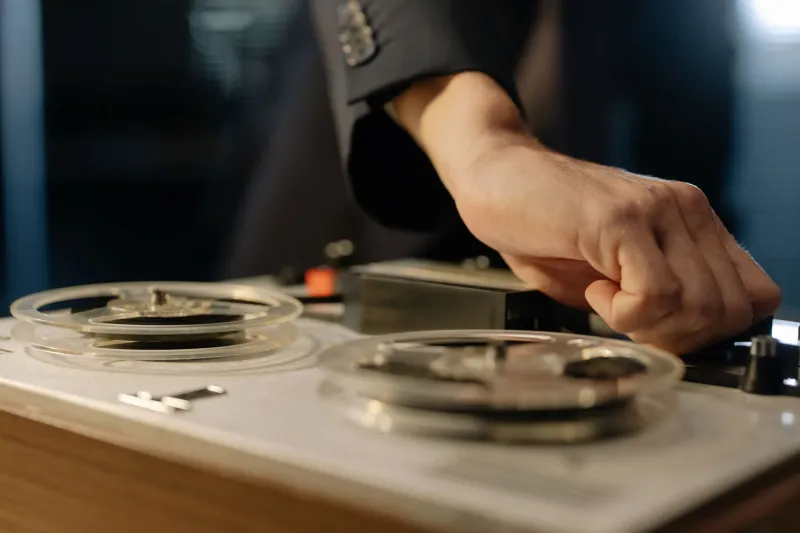
But a growing number of UK venues, working hand-in-hand with small independent pressing operations, are refusing to accept that bargain. They're capturing performances on tape, rushing them to cutting lathes, and getting limited vinyl editions into listeners' hands within a matter of weeks. The result is something that feels genuinely new, even if the format is anything but.
The Room Is the Instrument
Anyone who's stood inside the Brudenell Social Club in Leeds, or crammed into the basement of the Windmill in Brixton, knows that the venue itself is doing a kind of work. The ceiling height, the plaster on the walls, the sticky carpet and the low hum of the bar fridge — all of it shapes the sound in ways that no studio can reproduce after the fact. Sound engineers have known this for decades. Now, a handful of them are making sure those acoustic fingerprints don't go to waste.
"Every room has a voice," says one veteran front-of-house engineer who's worked across venues in Manchester and Sheffield for the better part of fifteen years. "When you're mixing a live show, you're in conversation with that room. The recording, if it's done right, captures that conversation. You can hear where it happened. That's something you just don't get from a studio album."
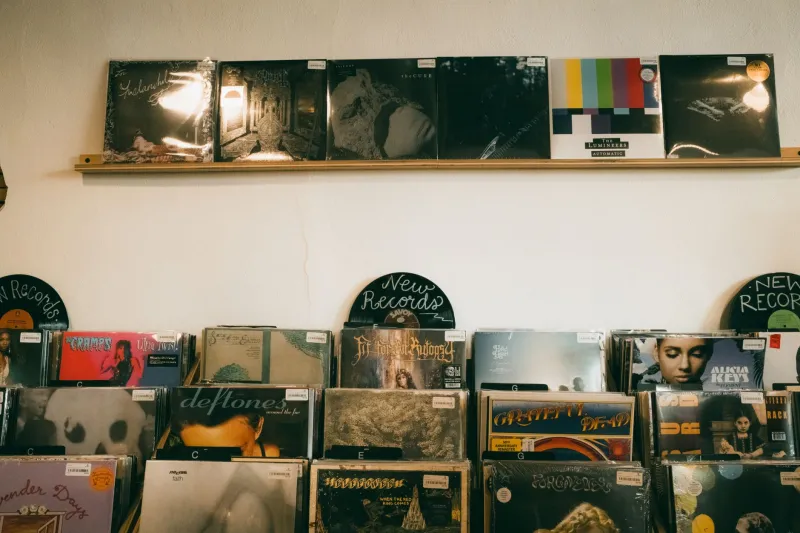
That philosophy is driving a wave of venue-led archiving projects that have quietly taken root across England and Scotland over the past few years. Several mid-sized rooms — the kind that sit between the 200-capacity club and the 2,000-seat theatre — have begun approaching independent labels with a straightforward proposition: we'll supply the recordings, you supply the pressing capacity, and together we'll release something worth keeping.
Speed Is the Point
What separates these releases from the dusty live album of old is the pace at which they're produced. The mythology around classic live records — the months of mixing, the legal wrangling, the label politics — belongs to a different era. The venues driving this movement are working to an almost journalistic timeline.
One venue manager in Bristol, who asked not to be named while contract negotiations with a pressing plant are ongoing, described the process with barely concealed excitement. "We had a recording mixed, mastered, and sent to the plant within ten days of the show. The vinyl was in the venue's record rack six weeks later. The artist had already moved on to the next tour leg. But the room hadn't forgotten."
That urgency is deliberate. Part of the appeal, for venues and collectors alike, is the sense that these records are documents of a specific, unrepeatable moment — not a polished retrospective. The slight roughness at the edges, the audience noise, the between-song chat that no studio producer would ever leave in: all of it stays.
Collectors as Custodians
For the people buying these records, the motivation goes well beyond nostalgia. A collector based in Edinburgh, who has amassed over forty venue-pressed live recordings in the past three years alone, describes them as something closer to civic archives than commercial releases.
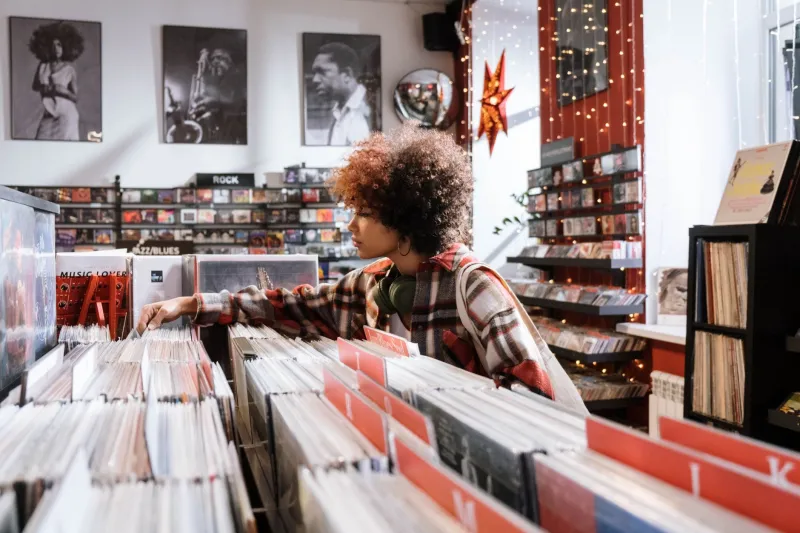
"These records are proof that these places existed, that these artists played there, that an audience turned up on a Tuesday night in November and something happened," he says, pulling a plain-sleeve 12-inch from a crate beside his turntable. "Streaming doesn't do that. Streaming gives you the song. This gives you the event."
He's not wrong, and the distinction matters more than it might initially seem. The UK has lost hundreds of grassroots music venues over the past decade, casualties of rising rents, licensing complications, and the long economic shadow cast by the pandemic. Many of those rooms are gone without any sonic record of what took place inside them. The venues currently engaged in vinyl archiving are, in a very real sense, hedging against their own potential disappearance.
What Digital Can't Hold
It's worth being honest about what streaming does well. It's convenient, it's searchable, it's essentially free at the point of use, and it's made a staggering quantity of music accessible to people who wouldn't otherwise have found it. Nobody's arguing against that.
But a 320kbps file uploaded to a platform whose ownership may change three times in the next decade is not an archive. It's a convenience. The venues and labels involved in these vinyl projects are making a subtler argument: that the physical object, with its specific pressing plant, its matrix number scratched into the runout groove, its sleeve notes naming the date and the room and the engineer, is a form of evidence that a hard drive simply isn't.
"Digital files get deleted, platforms get bought and gutted, metadata gets corrupted," says one independent label owner based in Glasgow who has pressed live recordings for three Scottish venues in the past eighteen months. "A record sitting on a shelf in someone's flat in twenty years is still going to tell you exactly what it is. It's not going anywhere."
The Challenges Nobody's Pretending Away
None of this is straightforward, and the people involved are refreshingly candid about the friction. Pressing plant capacity remains a genuine bottleneck across the UK — a subject that anyone who's tried to get a record cut in the past few years will be grimly familiar with. The speed these projects aspire to is constantly in tension with the reality of queues, equipment downtime, and the sheer volume of vinyl currently competing for lathe time.
There are also artist consent conversations to navigate, royalty structures to agree, and the occasional technical disaster — a poorly placed mic, a desk recording that clipped in the final chorus — that renders a night's work unusable. Not every show gets pressed. Not every pressing sounds as good as anyone hoped.
But the ones that work? They work in a way that's hard to argue with. There's a particular thrill in dropping the needle on a record and recognising, somewhere in the room sound and the crowd noise and the way the bass sits in the mix, a specific place you've stood in. A room you know. A night you were part of.
A Living Archive
The venues driving this movement aren't positioning themselves as museums, exactly. They're not trying to freeze culture in amber. The goal, as most of them describe it, is something more dynamic — a living archive that grows with each passing season, each new residency, each unexpected night that turns out to be something worth remembering.
Britain's live music culture has always been built on rooms. On the specific gravity of particular places at particular times. Vinyl, it turns out, might be the only format with the patience to hold all of that.
The needle remembers. The question is whether we're pressing fast enough to keep up.