Whose Wax Is It Anyway? The Session Musicians Fighting to Own Their Live Recordings

There's a particular kind of frustration that comes with hearing your own playing pressed into a record you had no say in releasing. For a growing number of British session musicians, that frustration has curdled into something more organised — and more confrontational.
Across the UK, a quiet but determined push is underway. Session players, many of whom contributed to live-to-wax recordings that have since become prized collector items, are collectively demanding that contracts be restructured to reflect the reality of what they actually contribute. The argument is straightforward: if a live recording only exists because of the musicians in that room, why do the rights belong almost entirely to the label?
The answer, as anyone who's spent time reading music industry contracts will tell you, is that it's complicated. But the momentum behind this challenge suggests the old answers may no longer be good enough.
The Standard Deal and Why It's Broken
For decades, the default position in British recording contracts has been that session musicians are hired hands — paid a flat fee for their time, with all resulting recordings assigned to the label or the lead artist. This made a certain kind of sense in the era of multi-track studio albums, where the session player's contribution was one component among many.
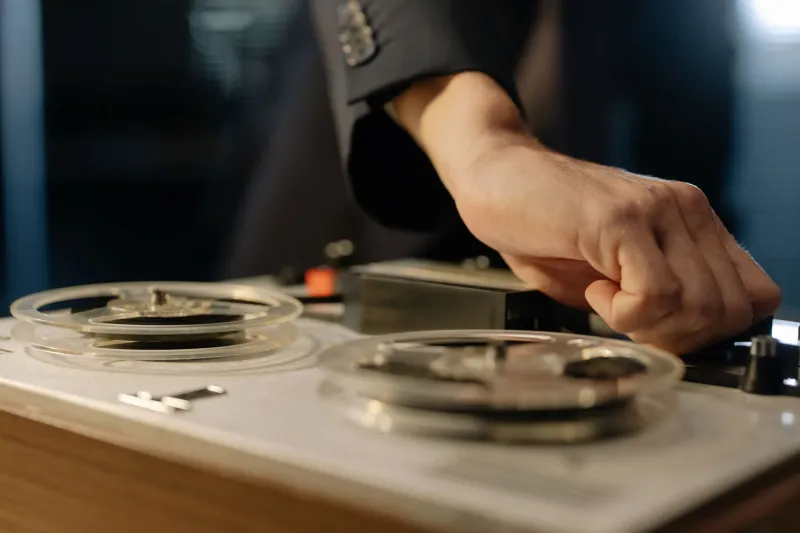
Live recordings are a different matter entirely. When a band walks into a venue, sets up in front of a single microphone, and cuts something directly to acetate, the session players aren't just filling in parts. They're co-creating the performance in real time, with no second takes and no overdubs. The spontaneity, the energy, the particular character of that recording — it's as much theirs as anyone else's.
"The contract I signed said I was a work-for-hire contributor," says one veteran session guitarist who has played on several live vinyl releases for independent British labels over the past decade — and who asked not to be named for professional reasons. "But when that record started selling for £80 a copy on Discogs, nobody rang me up with a percentage. That stings, frankly."
He's not alone. The Musicians' Union has seen a notable uptick in members raising concerns specifically about live recording rights over the past two years, a shift its representatives attribute partly to the renewed commercial interest in limited live vinyl pressings.
The Vinyl Boom's Unintended Consequences
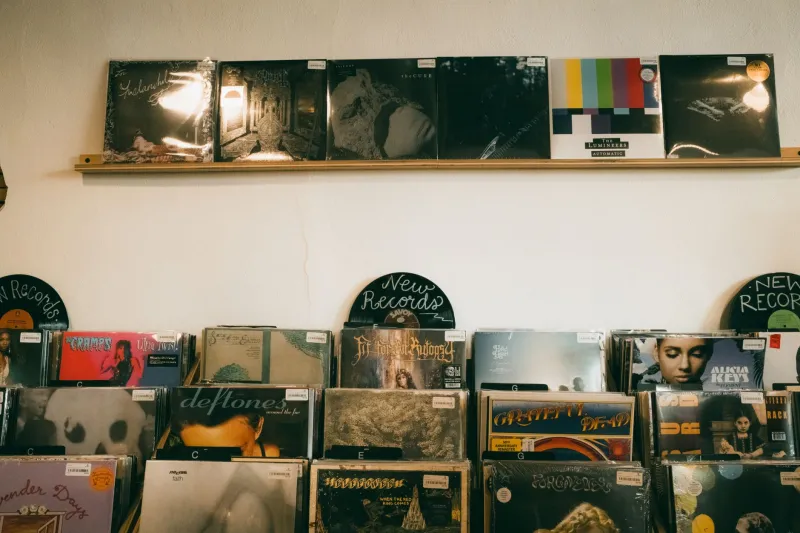
Here's the irony at the heart of this dispute: the very resurgence that has made vinyl culturally exciting again is also what's made these rights worth fighting over. When live recordings were obscure artefacts with tiny print runs, the question of who owned them barely mattered. Now that a well-reviewed live pressing can sell out in hours and command serious prices on the secondary market, the stakes have changed dramatically.
Several UK labels have leaned heavily into the live-to-wax format in recent years, marketing the rawness and authenticity of recordings made in one take, in real rooms, with real musicians. It's a compelling sell — and audiences have responded enthusiastically. But the musicians who made those recordings possible are often watching from the outside as the commercial benefits flow elsewhere.
Sophie Hargreaves, a music industry solicitor based in Manchester who specialises in artist contracts, says the issue is structural. "The boilerplate language in most session contracts was written for a different era. It doesn't account for the specific nature of live recordings, or the fact that a limited vinyl release might generate significant secondary market value. There's a real gap between what those contracts say and what's actually fair."
Collective Action and Early Wins
What's changed in the past couple of years is that musicians are increasingly approaching this collectively rather than individually. Several informal groups have formed — some connected to existing union structures, others operating independently — to pool experiences, share contract templates, and present a more unified front in negotiations.
The results, in some cases, have been genuinely encouraging. A small number of independent labels, particularly those with strong ties to the musicians they work with, have agreed to revised terms that include revenue-sharing clauses for live vinyl releases, consultation rights over how recordings are used, and clearer definitions of what constitutes a "session" versus a collaborative performance.
"We got a label to agree that anything recorded live in front of an audience, with the intention of a vinyl release, would be treated differently from standard session work," says one musician's representative who was involved in a successful renegotiation earlier this year. "It took months, but we got there. And now we're using that as a template for other conversations."
These wins are still the exception rather than the rule, particularly when it comes to larger labels, where legal teams are more entrenched and the commercial interests at stake are higher. But they're being watched closely.
The Bigger Question of Credit and Legacy
Beyond the financial dimension, there's a question of legacy that matters deeply to many of the musicians involved. Vinyl records endure. A live recording pressed to wax in 2024 might still be turning up in crate-diggers' collections in 2054. The idea that your performance is immortalised on a physical object that will outlast you — but that you have no formal connection to — sits badly with a lot of players.
"It's not always about the money," admits the session guitarist quoted earlier. "Sometimes it's just about being acknowledged as part of something. When a record comes out and the sleeve notes say 'recorded live' but don't mention half the people who were actually there, that's its own kind of erasure."
This dimension of the debate — credit, acknowledgement, artistic legacy — is one that some labels have been more willing to address than the financial side. Extended liner notes, individual musician credits, and even QR codes linking to short films about the recording sessions have been offered as gestures of goodwill. Whether that's sufficient is a matter of ongoing debate.
What Comes Next
The Musicians' Union is understood to be working on updated guidance for members entering live recording agreements, with specific language around vinyl releases expected to feature prominently. Meanwhile, a handful of sympathetic labels have begun proactively reaching out to session musicians on past projects to explore whether retrospective arrangements are possible — a gesture that's been welcomed, if treated with cautious optimism.
The broader industry is watching. If session musicians succeed in establishing new norms around live recording rights — even informally, through a series of individual negotiations — it will have knock-on effects for how live-to-wax projects are budgeted, marketed, and structured from the outset.
For now, the revolution is happening one contract at a time. But given how much the British music industry has invested in the romance of live vinyl — the rawness, the authenticity, the human presence captured in real time — it's hard to argue against the idea that the humans doing the capturing deserve a proper seat at the table.
The needle drops. The wax spins. And somewhere in the grooves, a session musician is waiting to be recognised.