The Art of Saying Nothing: Why British Live Acts Are Learning to Love the Pause
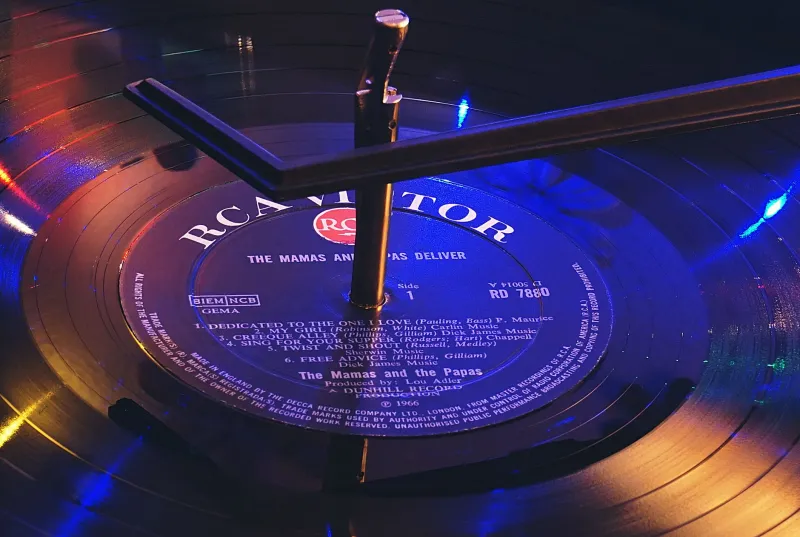
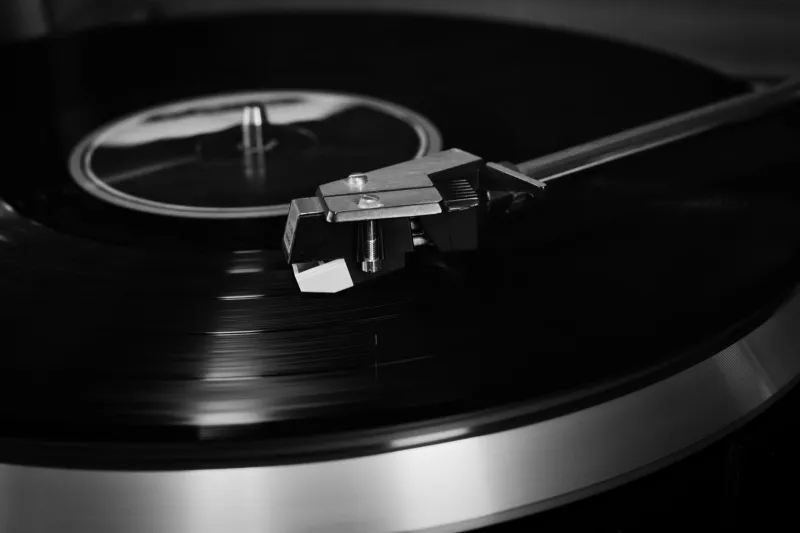
There's a moment on a well-loved record — you know the one. The final note of a track fades, and before the needle finds the next groove, there's a breath. A half-second of pure, loaded silence. It's not nothing. It's everything. It's anticipation made physical.
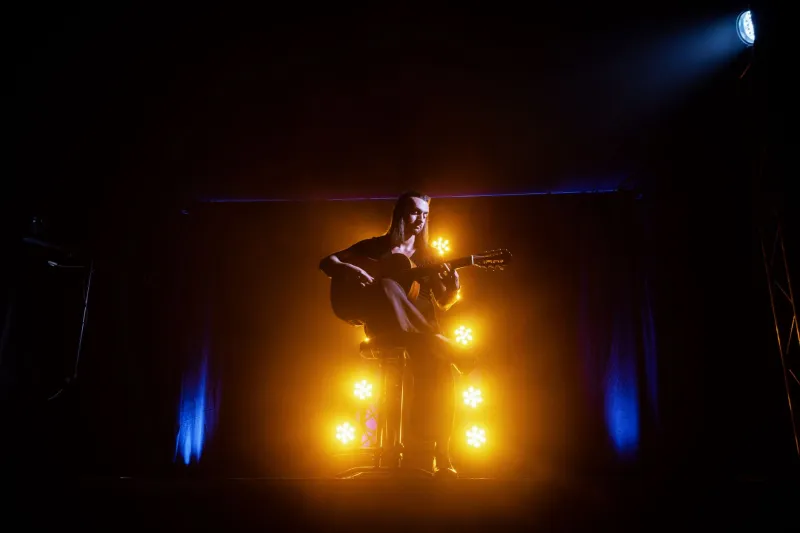
Now, a growing number of British live performers are chasing that same feeling on stage.
The Gap That Speaks
Anyone who's spent time with vinyl knows the silence between tracks isn't simply an absence of sound. It's a structural element — a pause that lets the last song settle before the next one arrives. It gives the listener room to feel something before being asked to feel something else entirely.
For Leeds-based experimental folk artist Miriam Crowe, that interstitial quiet was the inspiration for a wholesale rethink of how she structures her live sets. "I'd been listening to a lot of late-period Talk Talk," she says, "and what struck me wasn't the music itself — it was how the record breathed. There were these deliberate gaps. I started wondering why I never gave my audiences that same space."
Crowe began building intentional silences into her sets in early 2023, sometimes holding a pause for as long as forty-five seconds between songs. The first few times, she admits, it felt excruciating. "I was convinced people would start checking their phones or heading to the bar. But the opposite happened. The room got quieter. People leaned in."
Against the Noise
It's hard to ignore the cultural context here. British live music has spent the better part of a decade in an arms race of stimulation — bigger screens, more lights, louder PA systems, confetti cannons, pyrotechnics. The logic has always been that audiences need to be constantly fed, constantly entertained, constantly bombarded with something.
But there's a growing sense, among both performers and the people who book them, that the pendulum has swung too far.
"We've created these environments where silence feels like failure," says Jonah Whitfield, a sound designer who works regularly with mid-sized UK touring acts and several London venues. "The moment a song ends, there's this compulsion to fill the void — with crowd noise, with DJ drops, with the next track starting immediately. We've essentially trained audiences to be uncomfortable with quiet. And that means we've taken away one of the most powerful tools in a performer's kit."
Whitfield has been working with artists to reclaim that tool. His approach borrows directly from the grammar of vinyl: thinking of a live set not as a continuous stream but as a record with sides, tracks, and the deliberate architecture of gaps. "A well-placed silence is like the run-out groove on a side of vinyl," he says. "It tells you something's finished. It gives you permission to process what just happened."
The Vinyl Blueprint
The connection to record culture isn't incidental. Several of the performers drawn to this approach are, unsurprisingly, avid collectors — people who've spent years listening to music in a format that makes silence structural rather than accidental.
Manchester-based post-rock quartet Pale Meridian have built their live show around what guitarist and founding member Declan Fosse calls "the B-side principle." The band structures their sets in two distinct halves, with a genuine four-minute silence between them — no house music, no stage banter, nothing. Just the room.
"We got the idea from flipping a record," Fosse explains. "When you get up to turn it over, there's this ritual pause. You're not passive anymore — you're actively participating. We wanted to create that same moment in a live context. Make the audience aware that they're in a room together, that something's happening collectively."
The response, he says, has been polarising in the best possible way. "Some people find it uncomfortable. A few have walked out, thinking it was over. But the majority — especially the ones who come back — say it's the thing they remember most. Not the songs. The silence."
What the Venues Think
Not every venue operator has been immediately receptive. There are commercial realities to consider — a bar that goes quiet for four minutes is a bar that stops selling drinks, or so the thinking goes. But some bookers are coming round to the idea.
Sarah Okafor, who programmes events at a mid-capacity arts venue in Bristol, says she was initially sceptical when acts started pitching sets that included extended pauses. "My first instinct was that it was self-indulgent," she admits. "But I saw Pale Meridian perform and completely changed my mind. The silence wasn't dead air. It was charged. The audience was with them the entire time."
She now actively encourages the acts she books to think about negative space in their sets. "I've started framing it to artists as: what does your vinyl sound like? Because if your record has dynamics and breathing room, why would your live show be relentless from start to finish?"
Learning to Sit With It
For audiences weaned on streaming — where the algorithm queues the next track before the last one's finished — the discomfort of silence can be real. But that discomfort, many performers argue, is precisely the point.
"We've lost the ability to sit with a feeling," says Miriam Crowe. "Streaming is designed to keep you moving. Vinyl forces you to stop. And I think live music, at its best, should do the same thing — make you stop and actually be present."
There's something almost confrontational about it, and deliberately so. In a cultural moment defined by overstimulation, choosing silence is a small act of resistance. It asks something of the audience. It refuses to be frictionless.
Jonah Whitfield puts it plainly: "The most powerful thing I've heard in a live room this year wasn't a note. It was the absence of one. About three hundred people, completely still, completely quiet, waiting. That's not nothing. That's everything."
The Space Between the Songs
Vinyl has always understood something that the live music industry is only now beginning to relearn: the gaps matter. The silence between tracks isn't wasted time — it's structural, emotional, necessary. It's the breath that makes the music human.
As more British performers start treating their live sets like well-sequenced records — thinking about sides and tracks, about when to push and when to pull back, about the loaded power of a held pause — audiences are being invited to do something increasingly rare.
To simply wait. To feel. To let the last song land before the next one begins.
Sometimes the most interesting thing happening at a gig is the bit where nobody's playing anything at all.