Wax On, Lights Up: The Classic Albums Quietly Rewiring How British Artists Perform Live
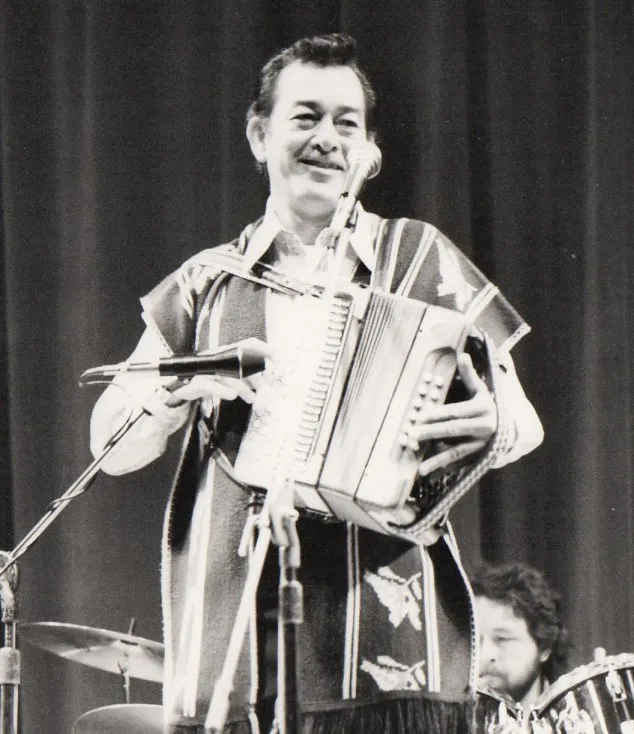
Photo: Tony 1212, CC BY-SA 4.0, via Wikimedia Commons
There's a well-worn cliché about musicians claiming their biggest influence is "everything, really" — a diplomatic non-answer designed to avoid controversy and keep the press cycle ticking. But spend any real time backstage at a UK tour in 2024, and a more specific, more honest picture emerges. In dressing rooms from Bristol to Glasgow, you'll find dog-eared inner sleeves, carefully transported 12-inches wrapped in soft cloth, and artists who will talk your ear off about a particular pressing of a particular record that fundamentally altered the way they think about being on a stage.
This isn't nostalgia for its own sake. Something more purposeful is happening. A growing number of contemporary British performers are treating classic vinyl albums not as museum pieces but as working documents — blueprints for live experience that still have things to teach, decades after the original needle drop.
The Album as Architecture
Ask Birmingham-based multi-instrumentalist Priya Okafor what she does before starting a new tour, and her answer is immediate: "I go back to the records." For her last run of UK dates, she spent three weeks listening to nothing but Hejira by Joni Mitchell — not the streaming version, but a copy she picked up at a car boot sale in Moseley, complete with a faint skip on side two. "That skip became part of how I thought about the set," she explains. "The imperfection wasn't a flaw. It was a reminder that the live version of anything is allowed to breathe differently."
What Okafor is describing is something musicians have always done intuitively, but rarely articulated this clearly: using the physical structure of a vinyl album — its two sides, its enforced pauses, its sequencing logic — as a template for designing a live experience with genuine emotional architecture. Side one builds. The flip introduces tension. The closing track earns its resolution.
London post-punk outfit Hollow Frequency took this idea to its logical extreme on their 2023 tour. Drawing heavily from Wire's Pink Flag and the Gang of Four's Entertainment!, they structured each show as two distinct halves with a full interval — something almost unheard of for a band playing 900-capacity venues. "We wanted the audience to have to sit with the first half before getting the second," says guitarist Dom Selby. "That's what a record forces you to do. You can't skip to side two without making a decision. We wanted the gig to feel the same way."
Learning from the Studio to Unlearn It Live
There's a productive tension at the heart of this approach. The albums being studied are, by definition, products of the studio — meticulously constructed, edited, compressed. The live stage is meant to be the opposite: unpredictable, physical, present. So what exactly are these artists taking from one world into the other?
For many, the answer is spatial awareness. Manchester producer and live performer Callum Drury spent months with his vinyl copy of Talk Talk's Spirit of Eden before his debut headline tour. "That record taught me about silence," he says. "About what happens when you resist the urge to fill every moment. I'd been performing like I was scared of empty space. Listening to it on vinyl — properly listening, not having it on in the background — changed that."
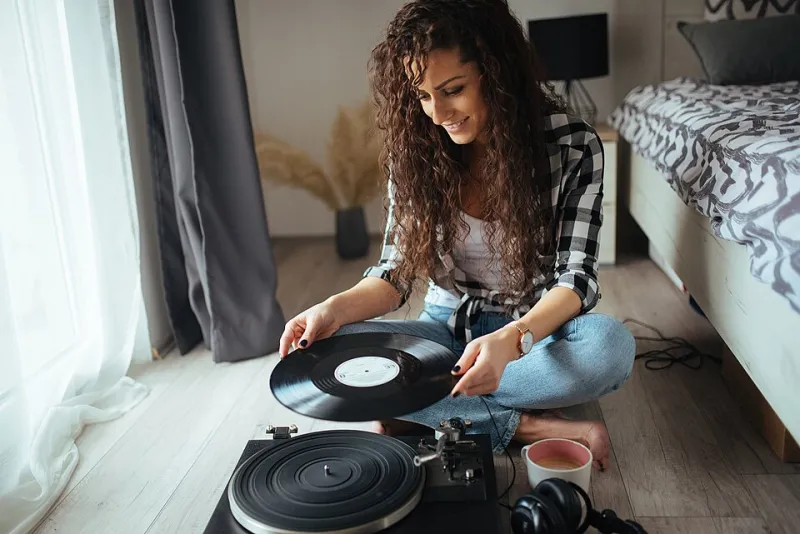
The vinyl format, he argues, demands a different kind of attention than a streaming playlist. "You've physically committed to it. You've put the record on. That changes your relationship to what you're hearing. I wanted audiences at my shows to feel that same level of commitment from me."
It's a sentiment echoed by Edinburgh-based folk artist Sorcha Dempsey, who cites Kate Bush's The Kick Inside as the record she returns to before every tour. "The way Kate moves between intimacy and these huge, almost theatrical moments — that's a live performance philosophy, even though it's a studio record. I've nicked that structure shamelessly."
When Reinterpretation Becomes the Show
Some artists have gone further still, building entire live events around the act of reimagining classic pressings. The Roundhouse in London hosted a remarkable evening last autumn when experimental jazz collective Amber Latitude performed a full, deconstructed response to Miles Davis's Bitches Brew — not a cover version, but a kind of extended conversation with the album's DNA, structured around the record's original side breaks.
Venue programmers are beginning to take notice. "We're seeing more proposals that specifically reference a vinyl album as the conceptual spine of a live show," says one booker at a mid-sized venue in Leeds, who asked not to be named. "Five years ago that would have felt gimmicky. Now it feels like a genuine artistic statement."
The critical question, of course, is whether audiences are following. The evidence suggests they are — and not just the older listeners you might expect. Post-show discussions at several recent UK tours have revealed younger concertgoers who arrived having sourced the original pressing being referenced, listening to it in full before the show as a form of preparation. The vinyl record, it turns out, can function as a pre-show ritual as much as a creative influence.
The Record That Lives in the Room
What unites all of these approaches is a belief that the best live performances have something in common with the best vinyl albums: they reward sustained, undistracted attention. In an entertainment landscape increasingly designed around the three-second hook and the algorithm-friendly highlight clip, there's something quietly radical about artists deliberately crafting experiences that ask more of their audience.
Priya Okafor puts it simply: "When I'm on stage, I want people to feel like they've listened to a really good record. Not watched a performance. Listened. There's a difference."
The needle drops that shaped her, and dozens of artists like her, are still reverberating — just now through a PA system, in a room full of people who showed up to feel something they couldn't get from a playlist.