Generation Groove: Why the UK's Youngest Gig-Goers Are Clutching Records on the Way to the Show
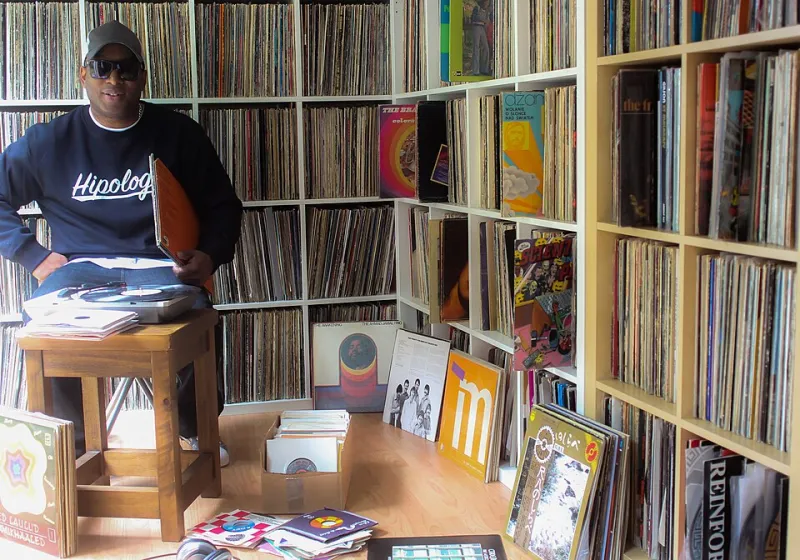
Photo: Nenad Stojkovic, CC BY 2.0, via Wikimedia Commons
On a Tuesday night in Nottingham, a queue forms outside a 300-capacity venue an hour before doors. It's a modest turnout by most measures — but what's striking isn't the numbers, it's what people are carrying. At least a third of those waiting have record bags. Not merch totes. Not backpacks. Actual, dedicated vinyl bags, the kind with the reinforced base and the knowing look of someone who's spent a Sunday afternoon in a record shop and has no intention of apologising for it.
The average age of this queue? Somewhere around 24.
If you built your understanding of the vinyl revival from a distance, you might have assumed it was driven by people who remember the format first time round — parents and older siblings fishing out their old Smiths albums and getting misty-eyed. And that demographic is certainly there. But spend any time at UK gigs in 2024, and a different, more surprising story is unfolding at the front of house.
The Numbers Don't Lie (And They're Younger Than You'd Think)
The BPI's most recent data on vinyl sales in the UK makes for interesting reading. Vinyl has now outsold CDs for two consecutive years, with over five million records sold in 2023 alone — the format's highest figures since the late 1980s. More relevant for our purposes, however, is who is buying them. Research commissioned by the Entertainment Retailers Association found that 18 to 34-year-olds now account for a significant and growing share of vinyl purchases, with many first-time buyers citing a live show as the moment they made their first record purchase.
That last detail matters. For a generation that grew up with Spotify as a default, the gig — not the record shop — is increasingly the entry point to physical music. Artists selling limited pressings at the merch table have noticed this shift sharply. "We sold out of our vinyl at every show on the last tour before we'd even finished the set," says one half of Bristol indie duo Foxgrove. "And most of the people buying were in their early twenties. They'd never bought a record before. Some of them didn't even own a turntable yet."
What Vinyl Does That Streaming Can't
To understand why younger fans are drawn to this format, it helps to listen to what they actually say about it — which is rarely about audio quality, and almost never about nostalgia. The word that comes up again and again, in conversations outside venues and in online communities like the UK-based subreddits dedicated to record collecting, is intentionality.
"Streaming is brilliant for discovering stuff," says Jess, 22, whom we spoke to outside a sold-out show at the Electric Ballroom in Camden. "But it doesn't make you commit. You can skip anything. With a record, you've paid for it, you've chosen it, you've put it on. You listen differently."
This idea — that vinyl demands a more deliberate, focused relationship with music — turns out to be deeply connected to how these fans approach live shows as well. Several people we spoke to described a similar logic: they research artists more carefully, attend fewer but more considered shows, and arrive with a level of contextual knowledge that shapes their experience in the room.
"I bought the album before I'd ever seen them live," says Marcus, 26, clutching a copy of a recent pressing he'd just had signed outside a venue in Manchester. "Listening to it properly — on the turntable, full volume, no distractions — made me understand what to listen for on stage. It's like doing your homework, but the homework is actually enjoyable."
Venue Owners Are Paying Attention
This shift in audience behaviour hasn't gone unnoticed by those running the rooms. Several UK venue operators have begun adapting their spaces and programming in response to what they're observing.
At a mid-sized venue in Sheffield, the manager recently introduced a dedicated record-browsing area in the bar — a collaboration with a local independent shop — that operates on show nights. "We noticed people were already bringing records to get signed, talking about records in the queue, asking if we stocked anything by the artist playing," she explains. "So we thought, why not lean into that? It's created a completely different social atmosphere before the show."
In London, a handful of promoters have begun listing the "recommended listening" for a show alongside the ticket information — essentially a suggested vinyl playlist for audiences to work through in the weeks before the event. Uptake, by their accounts, has been striking, particularly among younger ticket buyers.
Discovery Habits Are Changing Too
Perhaps the most telling aspect of this trend is what it reveals about how Gen Z and millennial fans are actually finding new music. While streaming algorithms remain the dominant discovery tool, a growing cohort are using vinyl — specifically the act of browsing in record shops — as a deliberate counterpoint to the recommendation engine.
"The algorithm gives you what it thinks you want," says Daisy, 23, a regular at record shops in Birmingham and a frequent gig-goer. "When I'm flipping through crates, I'm making my own decisions. I've found so many artists that way — artists I've then gone to see live. There's a different kind of ownership over it."
This feeds directly into live music attendance patterns. These fans tend to be early adopters of artists playing smaller venues, willing to take a punt on a show based on a record they've fallen for, rather than waiting for algorithmic validation or a festival slot to confirm an artist's worth.
A Culture That Rewards Showing Up
What emerges from all of this is a portrait of a music culture that is, in some respects, quietly counter-cultural. In an era of infinite choice and zero commitment, choosing vinyl — and choosing live music — represents the same fundamental gesture: deciding that something is worth your full attention.
Back in Nottingham, the doors have opened and the queue is filing in, record bags and all. Whether these fans leave tonight with a new pressing under their arm or simply a memory they'll carry for years, they've made the same choice as every generation before them: to show up, to listen properly, and to let music mean something.
The format has changed. The feeling hasn't.