Arrive Early, Stay Longer: The UK Venues Turning Pre-Show Hours Into Vinyl Sanctuaries
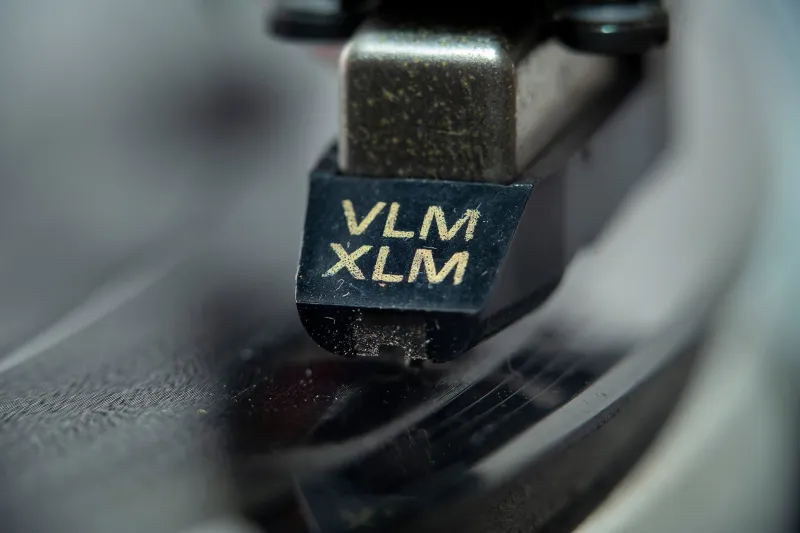
There's a particular kind of quiet that settles over a concert hall in the hour before the doors properly open. The bar staff are still arranging glasses. The house lights sit at half-mast. And somewhere near the back — or tucked behind a curtained alcove — a needle drops onto a record, and something shifts.
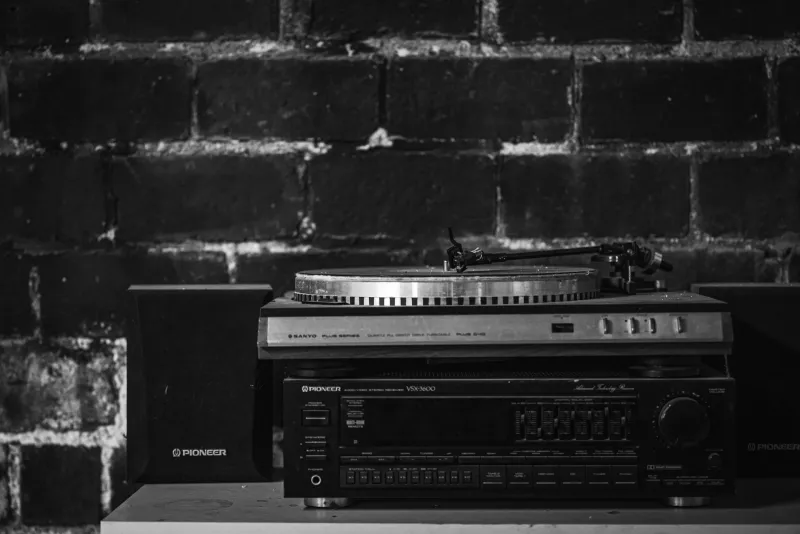
It's a small thing, on the face of it. A turntable, a decent pair of speakers, maybe a leather sofa and a crate of carefully chosen LPs. But venues across the UK are beginning to treat this pre-show window not as dead time to be filled with a Spotify playlist on shuffle, but as a genuine part of the evening's architecture. The listening room — quiet, intentional, vinyl-first — is having a moment.
More Than a Waiting Room
The idea isn't entirely new. Record shops have long understood that giving people a place to sit and actually hear something is more powerful than any window display. But translating that logic into a live music venue requires a different kind of thinking.
"We started noticing that the people who arrived early were often the most engaged audiences of the night," says one programming manager at a mid-sized London venue who asked not to be named ahead of a formal announcement. "They weren't just killing time — they were genuinely interested in the context of what they were about to see. So we thought, what if we gave that instinct somewhere to go?"
What followed was the installation of a small but seriously specced listening space off the main foyer: a Rega Planar 3 on a dedicated shelf, a pair of Harbeth monitors, and a handpicked selection of records chosen to complement each night's performance. Not background music. Not mood-setting filler. A proper listen.
The Roundhouse Effect
Larger venues have been watching with interest. The Roundhouse in Camden — a space that has always carried a certain mythology around its relationship with music history — has been quietly experimenting with vinyl-focused pre-show programming for the past year. The Grade II listed building, with its circular interior and extraordinary acoustics, turns out to be a surprisingly intimate setting for a turntable session when you find the right corner of it.
The approach there has been curatorial rather than atmospheric. Staff work with the night's headliner or their management to select records that speak directly to the artist's influences — not necessarily their own back catalogue, but the music that shaped them. Arrive an hour before a post-punk act takes the stage and you might find yourself sitting with Wire's Pink Flag or a scratchy original pressing of the Raincoats' debut. It reframes the whole evening.
"People come out of those rooms and they're already in a different headspace," says one sound designer who has worked on several of these setups. "They've been listening — really listening — for forty minutes. Their ears are tuned differently. The live show lands harder because of it."
The Sound Design Challenge
Building a listening room inside a working venue is not without its complications. Acoustic bleed from load-ins, soundchecks, and bar noise can undermine the whole exercise if the space isn't properly treated. Several venues have invested in temporary acoustic panelling — the kind used in recording studios — that can be installed and removed without permanent alteration to listed buildings.
Others have leaned into the imperfection. One independent club in Manchester deliberately chose a room with a slight reverb tail, arguing that the slight unpredictability of the sound mirrors the character of the vinyl itself. "We didn't want it to feel like a listening booth in a hi-fi shop," the venue's sound engineer explains. "We wanted it to feel like someone's front room — somewhere you'd actually go to put a record on."
That domestic quality keeps coming up in conversations with the people designing these spaces. The goal isn't clinical perfection. It's warmth, familiarity, the sense that music is something you live with rather than consume.
What the Punters Say
Talk to the people actually using these rooms and the responses are pretty consistent. There's a lot of "I didn't expect to care this much" and "I nearly missed my train trying to hear the whole second side."
Sarah, a regular at a Bristol venue that recently installed a listening corner near its entrance, puts it plainly: "I used to arrive about ten minutes before the support act. Now I get there an hour early. It's completely changed how I experience the night. By the time the headliner comes on I feel like I've already had half a gig."
That sense of extended experience is part of the commercial logic too, though venue managers are careful not to lead with that angle. Earlier arrivals mean longer bar dwell times, more merchandise browsing, a fuller room when the support act takes the stage. The listening room pays for itself, in other words — but it works precisely because it doesn't feel transactional.
Curation as Care
The real skill, it turns out, is in the selection. Choosing records for a pre-show listening room is a different discipline from DJing a room or soundtracking a bar. You're not trying to build energy or maintain a vibe. You're trying to open something up — create a receptive state of mind in an audience that's about to give two hours of their attention to a live performance.
Some venues are bringing in guest selectors for this role: local record shop owners, music journalists, the occasional retired session musician who knows the catalogue inside out. Others are leaving it to their own staff, trusting that people who work in music venues tend to have strong opinions about records.
A few are asking the artists themselves. One touring band recently sent their venue a handwritten list of six albums they wanted played in the listening room before each show on their UK run — not their own records, but the ones they'd been travelling with on the tour bus. "It felt like an extension of the show," their manager says. "Like the audience was being let into the rehearsal room."
A Different Kind of Arrival
What all of these spaces share is a rejection of the idea that a gig begins when the lights go down. The evening starts earlier than that — in the foyer, in the queue, in the moment you hand over your ticket and step inside. And if that transition can be marked by something as simple and profound as a good record on a good system, played at the right volume in a room that's been thought about, then the whole night is different.
British venues have always understood atmosphere. They've spent decades perfecting the lighting, the sightlines, the bar positioning. The listening room feels like the next logical step: an acknowledgement that the audience's ears deserve attention before the show as much as during it.
The needle drops. The crowd isn't here yet. But when they arrive, they'll be ready.