Crate Wisdom: The UK Venues Using Record Shop Data to Book Better Gigs
There's a spreadsheet open on a laptop in the back office of a mid-sized Manchester venue. On it: weekly vinyl sales reports from three independent record shops across the city, a breakdown of which artists have had the most new pressings land in the past month, and a colour-coded matrix linking those figures to ticket pre-sales for upcoming shows. The person running it — a venue programmer who's been booking acts for nearly fifteen years — laughs when asked if this is how they imagined the job would look.
"Honestly? No," they say. "But it works."
Across Britain, a quiet shift is happening in how live music venues decide who to book. Where gut instinct and industry contacts once ruled entirely, a growing number of programmers are supplementing their hunches with something more tactile: vinyl data.
From the Shop Floor to the Stage
The logic isn't as strange as it first sounds. Vinyl buyers, the argument goes, are a particularly committed audience. They're not passively streaming an artist in the background — they've handed over fifteen to thirty quid, carried a record home, and made a deliberate choice to own something physical. When an artist's records start moving quickly off the shelves of independent shops, it signals a level of genuine investment from fans that streaming numbers alone can't always capture.
"Streaming tells you reach," explains one data analyst who works with several UK promoters. "Vinyl tells you depth. Those are two very different things, and for live music, depth is what fills rooms on a Tuesday night."
Several record shops — particularly those affiliated with the Alliance of Independent Record Stores — have begun sharing anonymised sales trend data with trusted local venue partners. It's informal, relationship-driven, and very much under the radar. Nobody's signed a contract. But the information flow is real, and programmers are paying attention.
In Bristol, the team behind one of the city's most respected grassroots venues says they've been cross-referencing vinyl reissue announcements with their booking calendar for the past two years. When a classic album gets a deluxe repress, they look at whether the original artist — or a credible tribute act — could anchor a themed evening around it. "The reissue creates the conversation," the programmer there tells us. "We want to be part of that conversation in a room, not just online."
The Tension at the Heart of It
Not everyone is comfortable with where this is heading, though. There's a real concern among some in the live music community that leaning too heavily on any kind of data — vinyl-derived or otherwise — risks homogenising programming. If every venue in the country is reading the same sales charts and booking accordingly, you end up with a circuit that looks the same from Glasgow to Guildford.
"The whole point of a good independent venue is that it takes risks," argues one veteran booker who's worked at venues across the north of England. "The best gig I ever booked lost money on the night and launched a career. No algorithm would have greenlit that."
It's a fair point, and the programmers using vinyl data are mostly quick to acknowledge it. The data, they insist, is a tool — not a decision-maker. It narrows the field, flags artists worth investigating, and occasionally confirms what a programmer already suspected. It doesn't replace the act of actually listening to the music, seeing a band play a smaller room, or trusting a recommendation from someone whose taste you respect.
"I still go to gigs," the Manchester programmer says, shutting the laptop. "I still buy records. The data just means I'm going in with better questions."
What Pressing Plants Know That Promoters Don't
One of the more unexpected sources of intelligence in this space is the vinyl pressing plant itself. Order books at UK plants — several of which have expanded significantly in recent years to meet demand — reflect which artists and labels are confident enough in their audience to commit to a physical run. That confidence, some argue, is itself a signal.
A label doesn't press two thousand copies of a live album on coloured vinyl unless they believe the fanbase is there. And a fanbase that buys a live record is, almost by definition, a fanbase that wishes they'd been in the room.
"We've started looking at what's being pressed as a forward indicator," says one promoter who works primarily with folk and Americana acts. "If a label's putting money into a physical release, they're betting on longevity. That's the kind of artist we want on our stage."
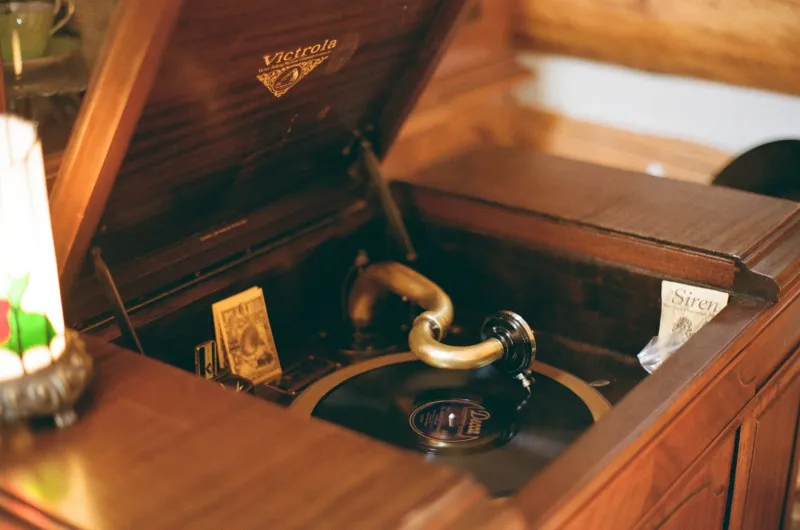
There's something pleasingly circular about it — the gramophone's descendant, the vinyl record, feeding intelligence back into the live experience that gave it reason to exist in the first place.
The Human Factor
For all the talk of data, the most striking thing about the programmers doing this work is how analogue their instincts remain. The spreadsheets and sales reports are consulted, but they sit alongside dog-eared gig guides, personal record collections, and decades of accumulated taste.
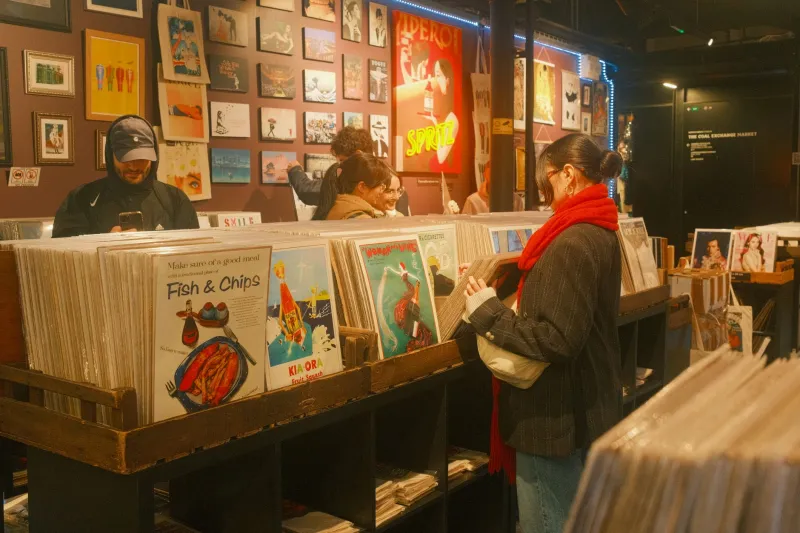
One Edinburgh venue programmer — who asked not to be named — puts it best. "I'll look at the numbers," she says. "But then I'll go and stand in a record shop on a Saturday afternoon and watch what people actually pick up. That tells me more than any report."
Maybe that's the real lesson here. Vinyl data works as a programming tool precisely because it's rooted in physical, human behaviour — people making choices in real spaces, with their hands and their wallets. It's the opposite of the frictionless, invisible stream. And in a world where live music is fighting for attention against every screen in the room, that friction might be exactly what venues need to find their audience.