Live First, Studio Later: The British Bands Turning the Album Release Playbook Upside Down
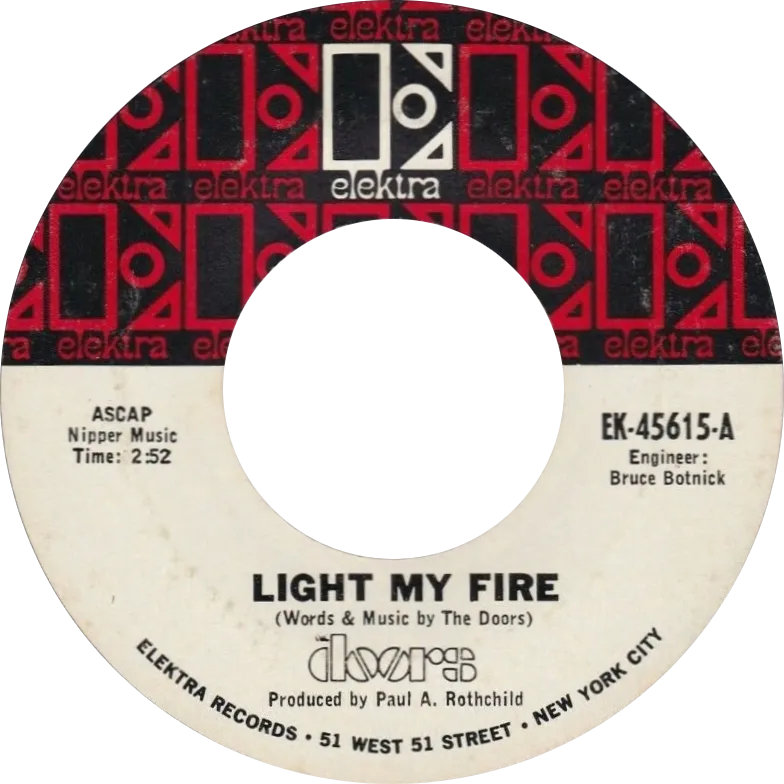
Photo: Elektra Records, Public domain, via Wikimedia Commons
There's a certain kind of magic that happens when a band is raw, unpolished, and playing to a room of two hundred people who've only half-heard of them. Sweat on the monitors. A slightly dodgy vocal blend on the second chorus. The drummer counting in a beat too fast. These are the details that get smoothed away in a studio, and increasingly, a clutch of British artists have decided they'd rather not lose them at all.
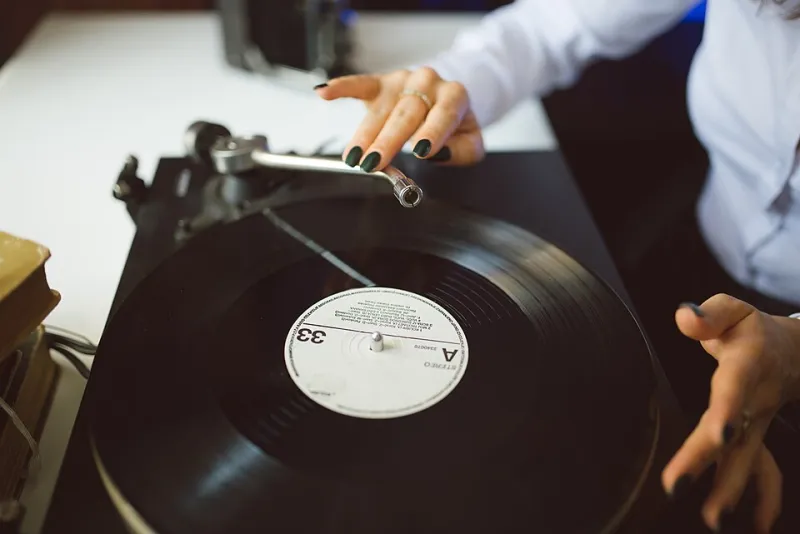
The trend is this: release the live album on vinyl first. Skip the studio debut entirely, or at least delay it long enough that the wax version of your live show becomes the definitive document of who you are. It sounds counterintuitive — even reckless — but for a generation of UK acts navigating a music industry that can make a song go viral on a Tuesday and forget it exists by Thursday, there's a compelling logic buried in the grooves.
Scarcity in the Age of Infinite Streaming
When everything is available everywhere all the time, the thing that can't be replicated becomes precious. Streaming platforms have democratised access to music in ways nobody could have imagined twenty years ago, but they've also flattened the experience. A Spotify playlist doesn't ask anything of you. A limited pressing of 300 copies — hand-numbered, with a slightly imperfect live recording captured at a venue in Manchester or Bristol — asks quite a lot. It asks you to care.
"We pressed 250 copies of our Scala show before we'd even booked studio time," says Jamie Okafor, guitarist and co-founder of London-based post-punk outfit Hollow Meridian. "Sold out in four days. And suddenly people were talking about us in a way that two years of releasing singles on streaming hadn't managed to achieve. There's something about a physical object that creates a conversation."
Okafor's label, Faultline Press — a small independent operating out of a railway arch in Peckham — has built much of its release strategy around exactly this principle. Rather than funding expensive studio time for debut records, they've been recording live sets with a mobile rig, cutting the masters, and pressing limited runs that function as both a commercial product and a piece of cultural documentation.
"The economics actually make more sense than people assume," says label co-founder Priya Mehta. "A 300-copy vinyl run at £22 a unit, sold primarily through the band's own channels and a handful of independent shops, generates meaningful revenue without the overhead of a full studio album. And the demand it creates for the follow-up — whether that's a studio record or another live pressing — is real and tangible."
The Artistic Case for Wax Before the Studio
Beyond the commercial angle, there's a genuinely interesting artistic argument for this approach. Studio albums, particularly debut ones, are often made under enormous pressure. Labels want a certain sound. Producers have ideas. The budget is running out. The result is frequently a record that sounds polished but somehow less like the band you fell in love with at a sweaty Thursday night show.
Releasing a live record first sidesteps all of that. It captures the band as they actually exist — in motion, in front of an audience, making decisions in real time.
"We'd been gigging for two years before we released anything," explains Cara Dinsmore, vocalist with Glasgow-based experimental folk trio The Briar Set. "Our live show was the thing. People kept asking when they could take something home. So we recorded three nights at Broadcast and chose the best performances across them. It's not perfect. There are moments where you can hear the room, hear people moving. But that's the point. That's us."
The Briar Set's live pressing, released earlier this year through Edinburgh's Waveguide Records, sold out its first run within a fortnight and has since had two further pressings. The band is now working on a studio album — but crucially, they're doing it on their own terms, with a fanbase that already understands what they're about.
What the Industry Makes of It
Not everyone is convinced. There are those within the more traditional corners of the music business who view the live-first approach as a workaround for artists who aren't yet ready to make a "proper" record, or as a way of avoiding the difficult creative work that studio production demands.
But that criticism feels increasingly dated. The independent sector — which has always been more responsive to cultural shifts than the majors — has largely embraced the format. Record shops have noticed too. Rough Trade's buyer for their Brick Lane location told us they're fielding more enquiries about live pressings from small UK acts than at any point in recent memory. "There's a collector mentality around them," she said. "People know these are documents of a specific moment. That appeals to a certain kind of music fan in a very deep way."
There's also the question of what happens at the gig itself when a live album exists. Bands who've done this report a different energy in the room — audiences who've heard the record turning up with a kind of informed enthusiasm, knowing the songs but experiencing them transformed by the live context. The record and the performance exist in dialogue with each other.
The Turntable as Time Capsule
What the live-first vinyl movement ultimately represents is a renegotiation of what a debut actually means. For decades, the studio album was the official introduction — the curated, considered statement of intent. The live record, if it came at all, was a reward for later, a treat for established fans.
Flipping that sequence changes the relationship between artist and audience from the very beginning. It says: this is who we are right now, in this room, on this night. Not who we might become after six months in a studio with someone else shaping the sound. This.
For the fans who manage to get hold of one of those numbered pressings, there's an intimacy to that transaction that streaming simply cannot replicate. They're not just listeners. They're witnesses. And in a music culture that sometimes feels like it's moving too fast to remember anything, being a witness to something feels genuinely valuable.
Jamie Okafor puts it simply: "When someone puts our record on at home, I want them to feel like they were in the room. The live pressing does that. A studio album, maybe one day, will do something different. But this came first. And that matters."