Wax Detectives: The Tribute Acts Cracking the Code of Classic Live Sounds Through Original Vinyl
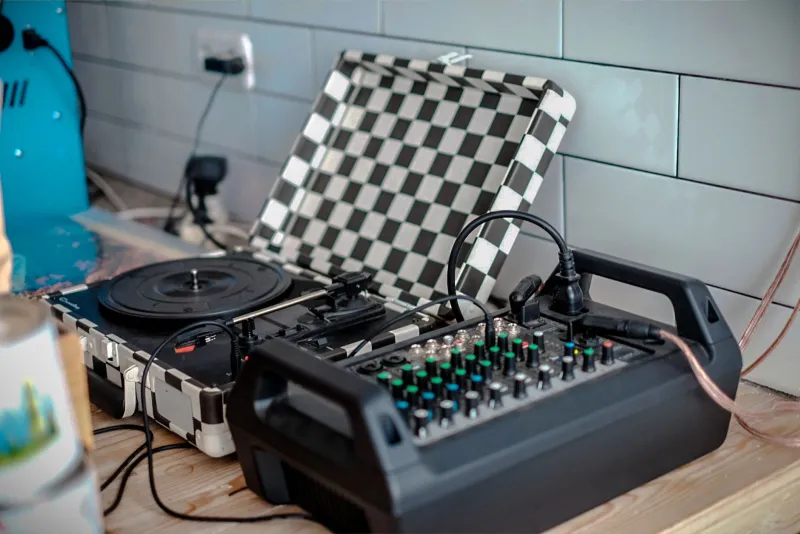
There's a record player in the back room of a rehearsal studio in Sheffield that gets more use than the PA system out front. It belongs to Danny Holt, frontman of a Led Zeppelin tribute act called Hammer of the Gods, and he treats it less like a hobby and more like a research tool. On the turntable tonight is a first UK pressing of Physical Graffiti, and Danny's got his ear practically against the speaker cab.
"People think tribute work is about learning the notes," he says, not taking his eyes off the spinning label. "But the notes are the easy part. What you can't get anywhere else is this — the way Jimmy Page's guitar sits just slightly behind the beat on the live recordings. You can hear it on the original wax in a way that just doesn't translate to digital. The compression changes everything."
This kind of obsessive, vinyl-first research is becoming increasingly common among Britain's tribute circuit — a scene that's far larger and more serious than its reputation sometimes suggests. From Zeppelin devotees in Yorkshire to Bowie interpreters in Bristol and Fleetwood Mac tributes touring the Scottish Highlands, a generation of performers is turning to original pressings not just for musical reference, but as a kind of sonic archaeology.
What the Grooves Give You
The argument for vinyl as a research medium is, at its core, a technical one. Original pressings — particularly those cut close to the time of recording — carry a different frequency response than later reissues or digital transfers. The low-end is warmer, the transients are slightly softer, and the spatial relationship between instruments tells a different story than a cleaned-up remaster.
For tribute acts trying to recreate not just a song but the feeling of a classic performance, that distinction matters enormously.
Sarah Connolly fronts Rhiannon, one of the UK's most in-demand Fleetwood Mac tributes, and she's been building a vinyl library specifically around the band's late-seventies live output for the better part of three years. Her collection now includes multiple pressings of Rumours, a handful of bootleg live LPs from Mac's 1977 US tour, and a near-mint copy of the Tusk double album that she found in a Nottingham charity shop for two quid.
"What I learned from the vinyl that I couldn't get anywhere else was Stevie's mic technique," Sarah explains. "On the original pressings, you can actually hear the room around her voice in a way that the later CD versions strip out. She wasn't singing into the mic dead-on — she was working it, pulling back on the loud notes. Once I understood that, my whole approach to performing her songs changed."
The Imperfection Principle
There's something else the vinyl-obsessed tribute community talks about a lot, and it's not the kind of thing that shows up in any music school curriculum: the productive value of imperfection.
Original live recordings on wax are full of them — a slightly out-of-tune piano note here, a missed snare hit there, the gentle crackle between tracks that tells you the room was real and the performance was human. And rather than treating these as things to smooth over, the sharpest tribute performers are actively studying them.
Marco Silvestri leads The Thin White Duke Experience, a Bowie tribute based in Manchester that's been gigging steadily since 2018. He's particularly fixated on the David Live album — the 1974 recording from Philadelphia's Tower Theatre — and keeps two copies specifically so he can compare the sonic differences between them.
"There's a moment in the Rock 'n' Roll Suicide performance where Bowie's voice cracks, just slightly, on the word 'time'," Marco says. "It's not on the remaster. It's only on certain pressings of the original. And that crack is everything — it tells you exactly where he was emotionally in that performance. I've spent months working out how to let myself do something similar on stage without it feeling forced."
This is the deeper philosophical territory that separates the vinyl-literate tribute act from one that's simply learned the setlist. It's not about replication — it's about understanding the emotional architecture of a performance well enough to rebuild it from the inside.
Staging Decisions Hidden in the Mix
Beyond performance nuance, original vinyl is also teaching tribute acts something about the visual logic of classic shows — which sounds counterintuitive until you understand how much information is encoded in a live recording's spatial mix.
Danny Holt points to the stereo spread on bootleg Zeppelin pressings as a case in point. "On the official releases, everything's been tidied up and centred. But on the original live recordings — some of the bootlegs especially — you can actually hear where everyone was standing on the stage. John Paul Jones is hard left, Page is slightly right of centre. Once you know that, you start thinking about your own staging differently. You stop copying the photographs and start listening to the geography."
Sarah Connolly has taken a similar approach with Rhiannon's stage layout. "We restructured where our keyboard player stands based entirely on what I was hearing on the vinyl. It sounds mad, but it changed the whole dynamic of the band visually. And audiences notice — they might not know why, but something feels more right."
A Different Kind of Record Shop Visit
For these performers, record fairs and second-hand shops have taken on a professional dimension that goes well beyond casual collecting. They're not hunting for investment pieces or completing discographies — they're after specific pressings that might unlock something new about a performance they've been studying for years.
Marco describes spending an afternoon at a record fair in Leeds working through a box of Bowie bootlegs with the focus of someone reading case files. "I'm looking for things I haven't heard. A different night, a different city, a different band configuration. Every pressing is potentially a new piece of information."
There's a community forming around this approach, too. A loose network of tribute act leaders across the UK has started sharing finds — tipping each other off about rare pressings, comparing notes on what different editions reveal, occasionally lending records across cities when someone's working up a new show.
"It's proper nerdy," Danny admits with a grin. "But so is playing a three-hour Zeppelin set in a venue in Doncaster on a Tuesday night. That's the job. You might as well do it properly."
The Live Moment, Informed by Wax
What's striking about all of this is that none of it is visible to an audience. The vinyl research, the pressing comparisons, the forensic listening sessions — they all disappear by the time the lights go down and the first chord rings out. The point isn't to show the work. The point is to let the work quietly transform everything.
And perhaps that's the most vinyl-appropriate thing about the whole enterprise. Records have always carried hidden information — things you only hear if you listen carefully enough, on the right equipment, in the right frame of mind. The tribute acts doing this work are just doing what the best listeners have always done: dropping the needle and paying proper attention.
"People come to our show because they want to feel something they felt before," Sarah says, shutting the lid on her turntable after the interview. "My job is to understand that feeling well enough to give it back to them. And I couldn't do that without the records. They're not a shortcut — they're the whole foundation."